ownership model
The institutional form and basis of ownership, including worker and producer cooperatives.
Where the boundary lies
Using a shared data schema does not establish shared ownership.
See an example → SUMMIT & RESEARCH
Separate membership, decision rights, purpose protection and the distribution of value.
The institutional form and basis of ownership, including worker and producer cooperatives.
Using a shared data schema does not establish shared ownership.
See an example →Who is included in ownership or member benefits and who is excluded.
Aggregate employee counts do not establish membership rights.
See an example →Authority to determine rules or major decisions; include equal voting and control of scope definitions.
Being consulted or attending a forum does not establish binding authority.
See an example →Allocation of benefits, costs or surplus across participants and groups.
More efficient processing alone does not establish how gains are shared.
See an example →How an actor retains or monetises value through processing, data or market position.
Technical data reuse without a capture mechanism is evidence reuse.
See an example →Ability to influence exchange terms through credible alternatives or collective strength.
A payment button or legal policy alone does not establish negotiating power.
See an example →Durable responsibility and protected purpose across ownership, leadership or generational transitions.
Ordinary day-to-day decision rights or current goodwill alone do not establish durable stewardship.
See an example →Profit participation, control, secure use and durable purpose can be combined differently. No legal label establishes all four, and membership boundaries matter.
Follow the evidence →A seat, a consultation or technical expertise may coexist with exclusion from binding decisions. Analyse authority and the costs of participation.
Follow the evidence →Changing ownership or model architecture can open options, but marketplace density, capital, bargaining power and institutional rules shape viability. Technical possibility does not imply equal ability to act.
Follow the evidence →A live farmer-payment challenge exposes the gap between a rights-bearing architecture and a funded exchange. Bargaining, buyer demand and redistribution of savings remain proposed mechanisms.
Follow the evidence →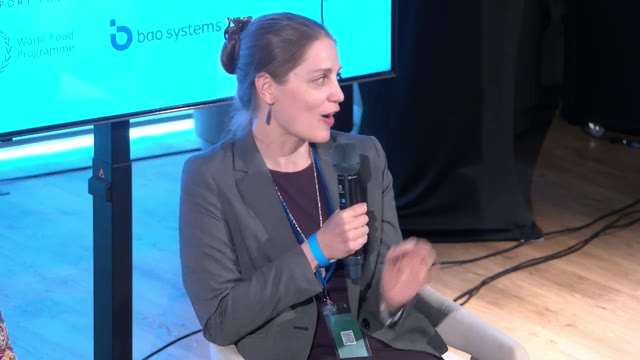 1:01
1:01Start with the workflow, human decisions and intended benefit.
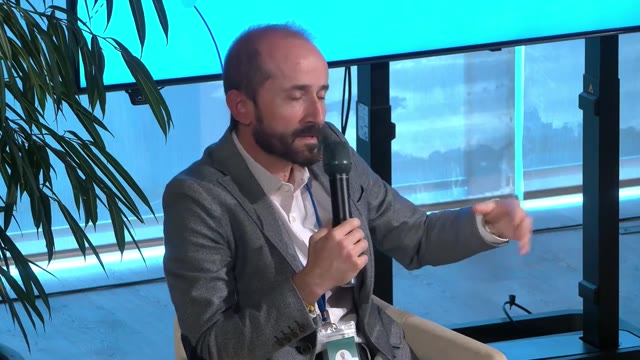 2:57
2:57Overseas subsidiaries expose the limits and conditions of a shared-ownership model.
 1:02
1:02A share of profits and influence over dominant firms are separate questions.
 1:43
1:43Sharetribe’s founders retained voting control before a later democratic transition.
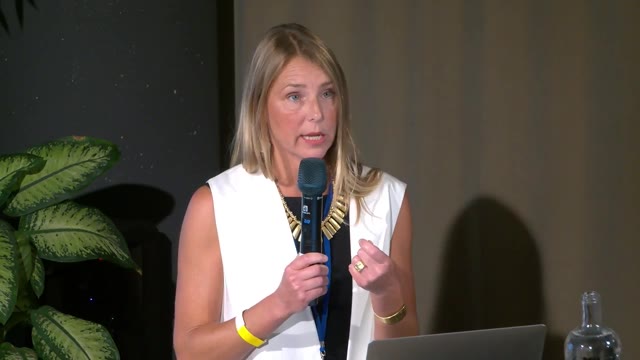 2:52
2:52A study distinguishes representation, votes and the power to stop a decision.
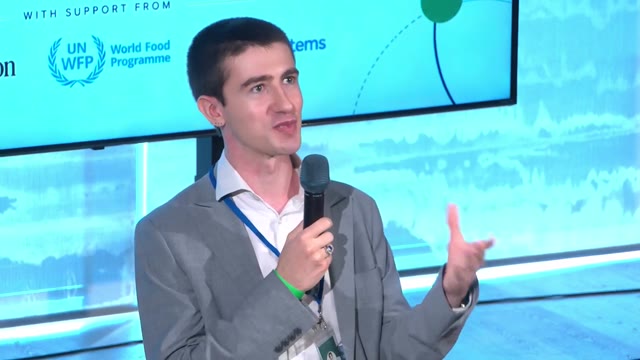 1:16
1:16Knowing origin does not settle due diligence, participation or the distribution of benefits.
Themes can overlap. Counts describe this collection; they do not measure importance, agreement or prevalence outside the event.