 1:01
1:01Draw the decision before choosing the tool
Start with the workflow, human decisions and intended benefit.
Speaker
 SUMMIT & RESEARCH
What changes when people can shape the systems they depend on? Explore the claims, cases and tensions across three days of conversation.
1:01Start with the workflow, human decisions and intended benefit.
A few connected clips. One question to follow. Choose a path through the conversations.
Seven short passages connect the summit’s questions: who decides, who benefits, and what turns a promise into practice?
Explore this path →02 · 5 CLIPS · 7:19 WATCH TIMEFollow the journey from choosing a useful problem to access, skills, continued support and institutional change.
Explore this path →03 · 5 CLIPS · 7:16 WATCH TIMECompare financial stakes, voting power, access to capital and the boundaries of cooperative membership.
Explore this path →04 · 4 CLIPS · 5:47 WATCH TIMEExplore what evidence can establish, where judgement remains necessary, and why incentives and infrastructure matter.
Explore this path →Who defines the problem, can use the service, and has the power to respond?
Explore the theme →02 / 27 SESSIONSSeparate membership, decision rights, purpose protection and the distribution of value.
Explore the theme →03 / 29 SESSIONSWhich rules, commitments and routes of challenge make participation consequential?
Explore the theme →04 / 29 SESSIONSWhat does a record establish, how was it assessed, and what remains uncertain?
Explore the theme →05 / 28 SESSIONSWhat can be shared, on whose terms, and who maintains it?
Explore the theme →06 / 30 SESSIONSHow do tools fit the workflow, context and continuing capacity of real organisations?
Explore the theme →07 / 26 SESSIONSWhich funding horizons, incentives and business models support sustained activity?
Explore the theme →08 / 24 SESSIONSHow do concentration, competition and practical alternatives shape room to act?
Explore the theme →09 / 20 SESSIONSHow do physical resources, local institutions and demand shape a fair transition?
Explore the theme →The event repeatedly names a missing step between producing an answer and changing a decision. Evidence may reveal conflicting priorities without resolving them.
Follow the evidence →Profit participation, control, secure use and durable purpose can be combined differently. No legal label establishes all four, and membership boundaries matter.
Follow the evidence →Interoperable records do not establish a commons. Maintenance, disclosure rules, liability and credible commitments determine whether sharing survives.
Follow the evidence →Standards and data can guide change, but processing capacity, feedstock, finance, incentives and who benefits remain material constraints. Sufficiency and end-use priorities challenge supply-only framings.
Follow the evidence →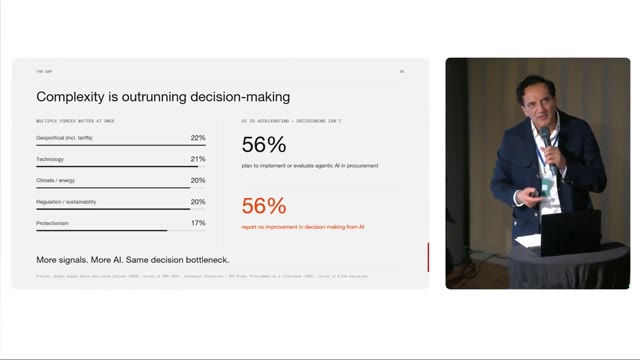 1:02
1:02Iggy Bassi argues that more data and AI tools do not automatically solve the decisions created by overlapping supply-chain risks.
 2:52
2:52A study distinguishes representation, votes and the power to stop a decision.
 1:47
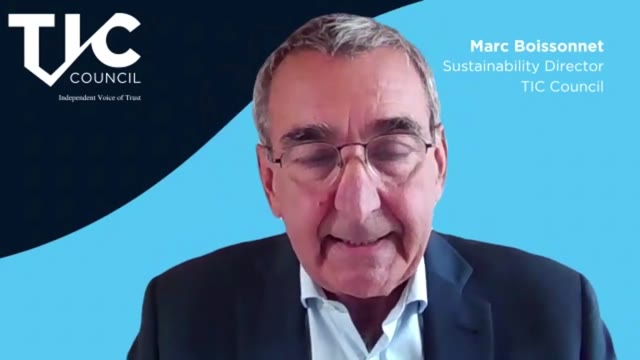
1:47Marc Boissonnet of the TIC Council explains a two-step approach: verify how sustainability data is produced, then verify the claims made from it.
 1:24
1:24Bhaskar Chakravorti connects competition, institutions and public agency as starting points for changing who benefits from AI.
 1:49
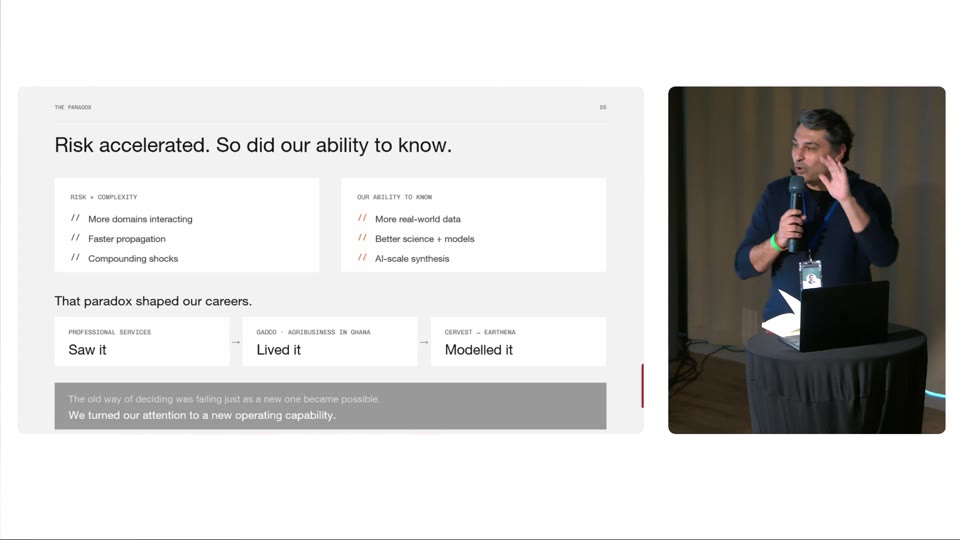
1:49Karan Chopra recalls a storm that destroyed a rice-processing facility in Ghana, then explains why a failed season can be far harder for a smallholder to survive.
 3:05
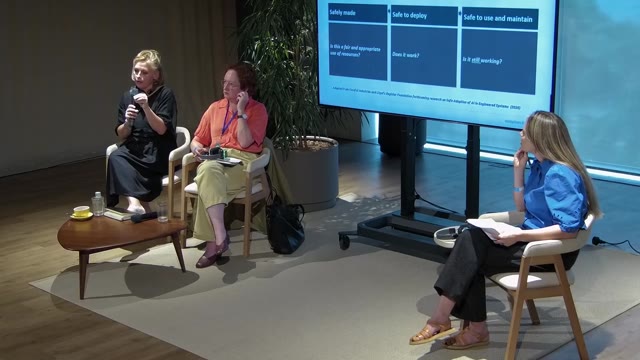
3:05Rachel Coldicutt proposes shared maintenance and a culture of safety that continues beyond the pilot, the grant and the launch checklist.
 1:02
1:02A share of profits and influence over dominant firms are separate questions.
 0:42
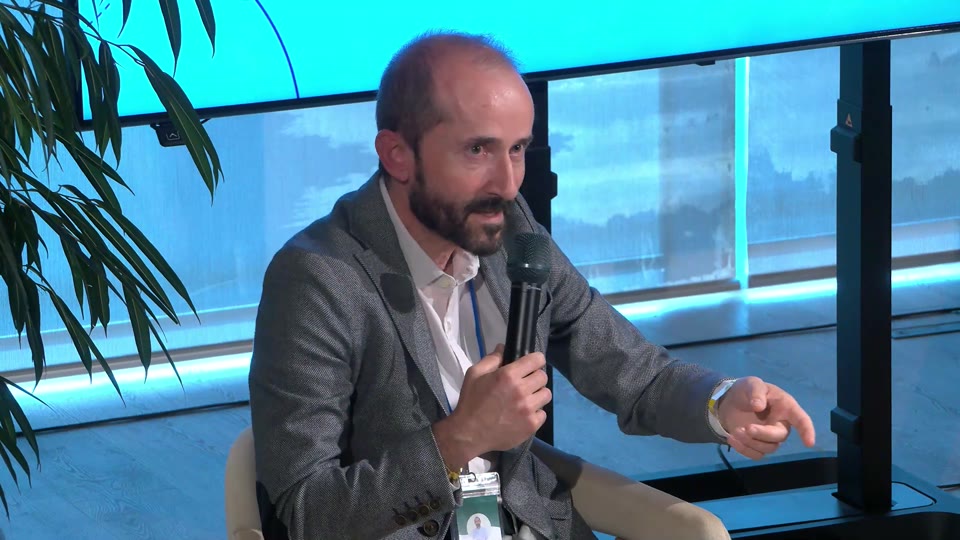
0:42MONDRAGON’s Ander Etxeberria Otadui describes training, transfers and supported retirement as responses to automation.
 0:52
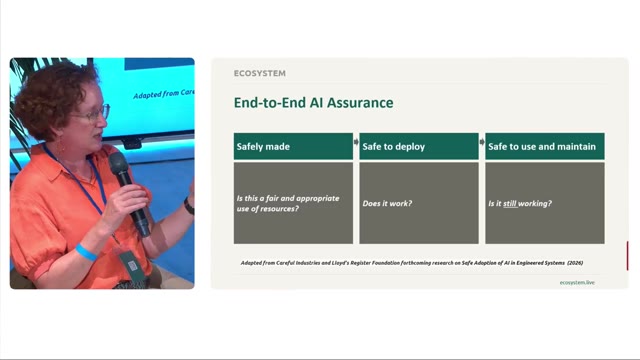
0:52Becky Faith argues that shrinking budgets and pressure to move quickly make research and equitable partnerships more important. She speaks in a personal capacity.
 2:09
2:09An API change exposed the recurring costs and legal responsibilities of shared data.
 0:51
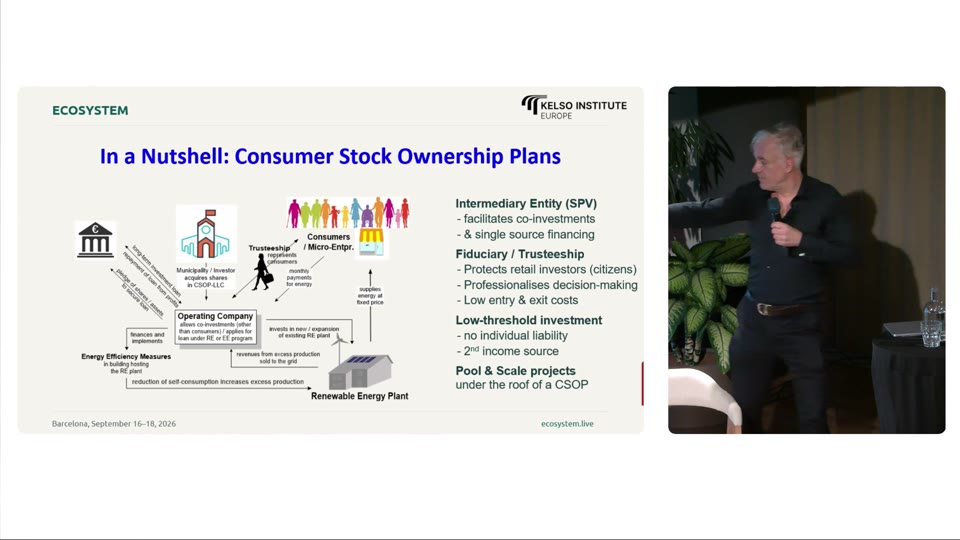
0:51Jens Lowitzsch explains how a renewable-energy ownership model uses trusteeship and future returns to include people without existing savings.
 1:43
1:43Sharetribe’s founders retained voting control before a later democratic transition.
 1:00
1:00Lela Mélon urges businesses to use verified evidence to rethink their strategy and make sustainability work for their business.
 1:11
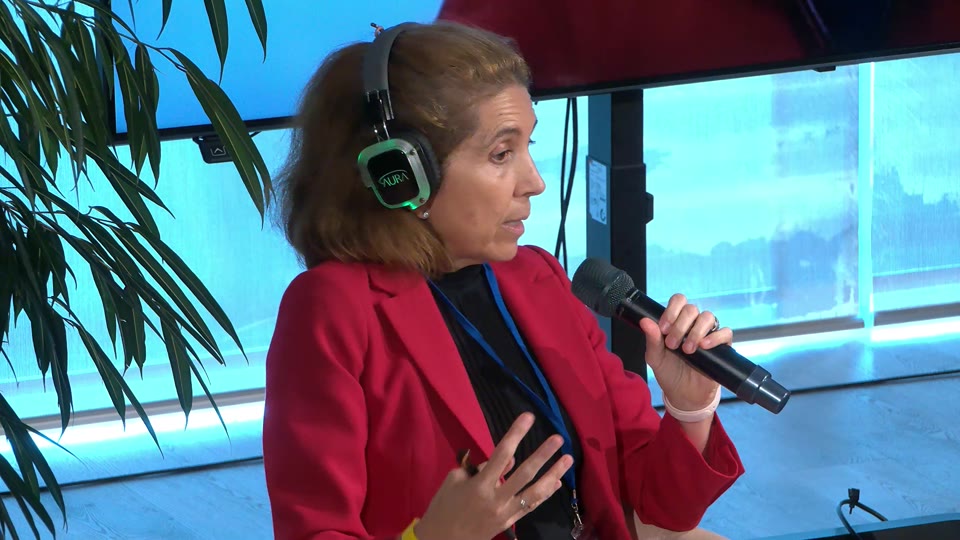
1:11Nuria Oliver explains why AI infrastructure depends on talent, opportunity and support for people whose work is changing.
 0:50
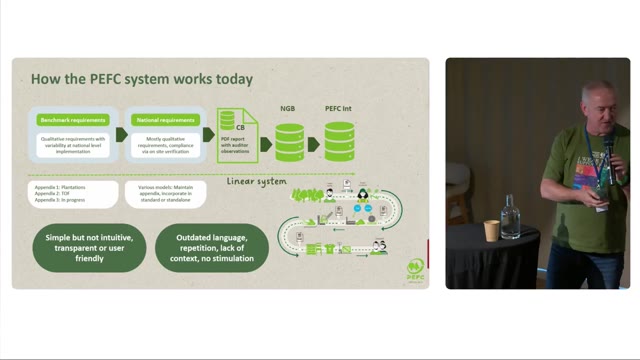
0:50Rob Shaw explains why spreadsheets and manual transfers make it harder to substantiate certification claims—and why saying a system is audited is no longer enough.
 1:10
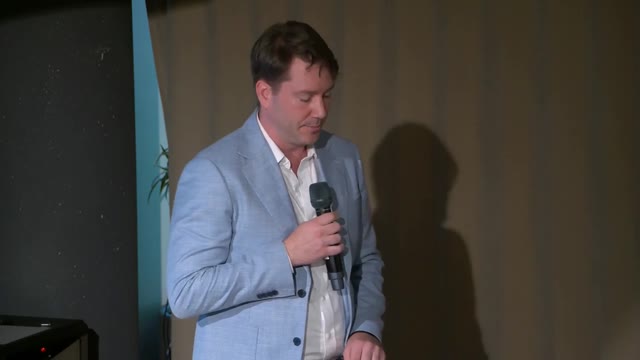
1:10In his day-two opening, Martin Smith sets out three foundations of human agency: security to plan, a meaningful say in decisions, and a lasting share in the value people create.
 1:23
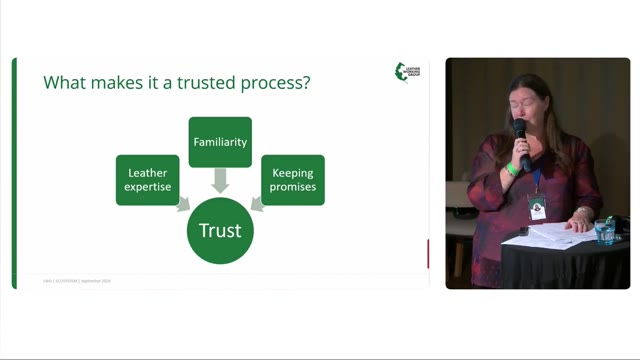
1:23Victoria Snelling explains what Leather Working Group must preserve as it digitises: trusted expertise, responsible data handling and promises kept.